

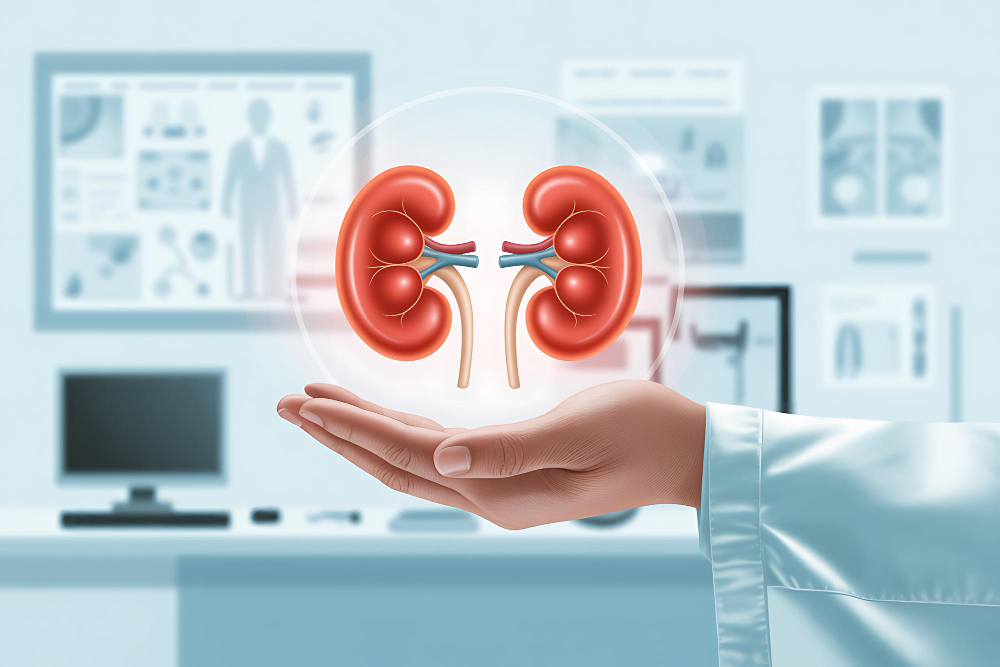
Introduction to Life After Kidney Transplant
Life after kidney transplant brings hope and new routines. Many people feel better soon after surgery. However, it is important to know that recovery takes time. In the first days, your body adjusts to the new kidney. Because of this, you need to follow your care plan closely. This guide will help you understand what to expect and how to stay healthy after a kidney transplant.
Common Symptoms and Experiences Post-Transplant
After a kidney transplant, you may notice changes in your body. Some symptoms are normal, but others need attention. For example, you might feel tired or have mild pain near the surgery site. Also, swelling or bruising can happen. Most people experience:
However, if you have a fever, severe pain, or trouble breathing, contact your doctor right away. According to the CDC, early care helps prevent serious problems.
Essential Post-Transplant Care Steps
Proper care is key for a healthy recovery. After your transplant, you must take medicines every day. These medicines help prevent your body from rejecting the new kidney. In addition, you should:
Because your immune system is weaker, avoid crowds and sick people when possible. The World Health Organization (WHO) also recommends regular check-ups to catch problems early.
Recovery Timeline and What to Expect
Recovery after a kidney transplant happens in stages. In the first week, you will stay in the hospital. Doctors will check your new kidney and adjust your medicines. After you go home, you will need to rest and avoid heavy lifting. Over the next few weeks, you will slowly return to normal activities. Most people can go back to work or school within three months. However, everyone heals at their own pace. Your doctor will guide you based on your progress.
Lifestyle Changes and Tips for Long-Term Health
To protect your new kidney, you may need to make some changes. For example, you should:
Additionally, keep a healthy weight and manage stress. These steps help your kidney work well for many years. For more kidney transplant recovery tips, talk with your care team.
Prevention of Complications and Warning Signs
Even with good care, problems can happen. Therefore, it is important to watch for warning signs. These may include:
If you notice any of these, contact your doctor quickly. Early treatment can prevent serious issues. The National Kidney Foundation suggests keeping a symptom diary to track changes.
When to Seek Medical Help
Sometimes, you may need urgent care. Seek help right away if you have:
Because quick action can save your new kidney, do not wait to call your doctor. Always keep your emergency contact numbers handy.
Conclusion
In summary, life after kidney transplant can be full and active with the right care. By following your doctor’s advice and watching for warning signs, you can protect your health.
For expert post-transplant guidance and personalized kidney care, consult at Sun Hospitals today.