
What is Chronic Obstructive Pulmonary Disease (COPD)?
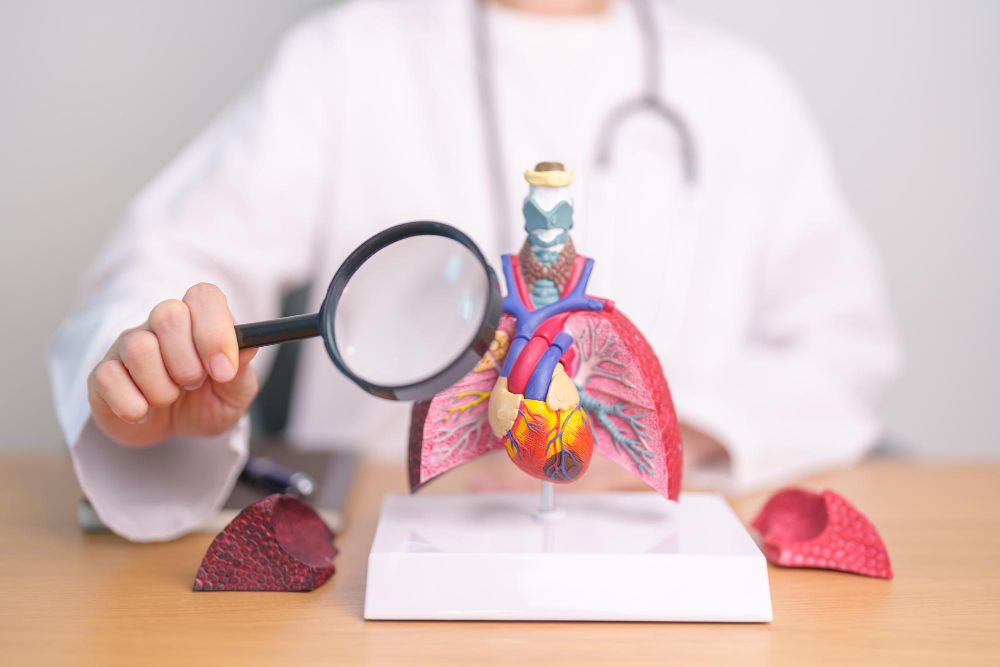
Chronic Obstructive Pulmonary Disease, or COPD, is a long-term lung condition. It makes it hard to breathe. Over time, the airways in the lungs become narrow. Because of this, less air flows in and out. COPD includes two main problems: chronic bronchitis and emphysema. Both cause breathing issues. According to the World Health Organization (WHO), COPD is a leading cause of illness worldwide. Early detection and proper care can help people live better with this disease.
Early Signs and Symptoms of COPD
Recognizing the early signs of COPD is important. Early treatment can slow the disease. Common early signs of COPD include:
Sometimes, people think these signs are just part of getting older. However, if you notice these symptoms, talk to a doctor. Early signs of COPD should not be ignored.
Common Causes and Risk Factors
Many things can cause COPD. The most common cause is smoking. However, other factors can also increase risk. These include:
While smoking is the main cause, not all people with COPD have smoked. Therefore, it is important to know all risk factors.
How COPD is Diagnosed
Doctors use several steps to diagnose COPD. First, they ask about your symptoms and health history. Next, they may do a physical exam. After that, a breathing test called spirometry is often used. This test measures how much air you can blow out and how fast. Sometimes, doctors order chest X-rays or blood tests. Early diagnosis helps start treatment sooner. If you have early signs of COPD, see your doctor for testing.
Effective Management and Treatment Options
Although COPD cannot be cured, many treatment options can help. With the right care, people can manage symptoms and stay active. Common COPD treatment options include:
Doctors may suggest different treatments based on your needs. For example, some people need more help with breathing, while others need help with exercise.
Lifestyle Tips for Living with COPD
Living with COPD can be challenging. However, many lifestyle changes can help you feel better. Consider these COPD management tips:
Additionally, joining a support group can help you connect with others facing similar challenges.
Prevention Strategies
Preventing COPD is possible in many cases. Here are some ways to lower your risk:
Because prevention is easier than treatment, these steps are important for everyone.
Conclusion
In summary, Chronic Obstructive Pulmonary Disease is a serious but manageable lung condition. Early signs of COPD should not be ignored. With early diagnosis and the right management, many people live full lives. For personalized advice on COPD management, consult a pulmonologist at Sun Diagnostic Centre.