
What Is a Stroke?
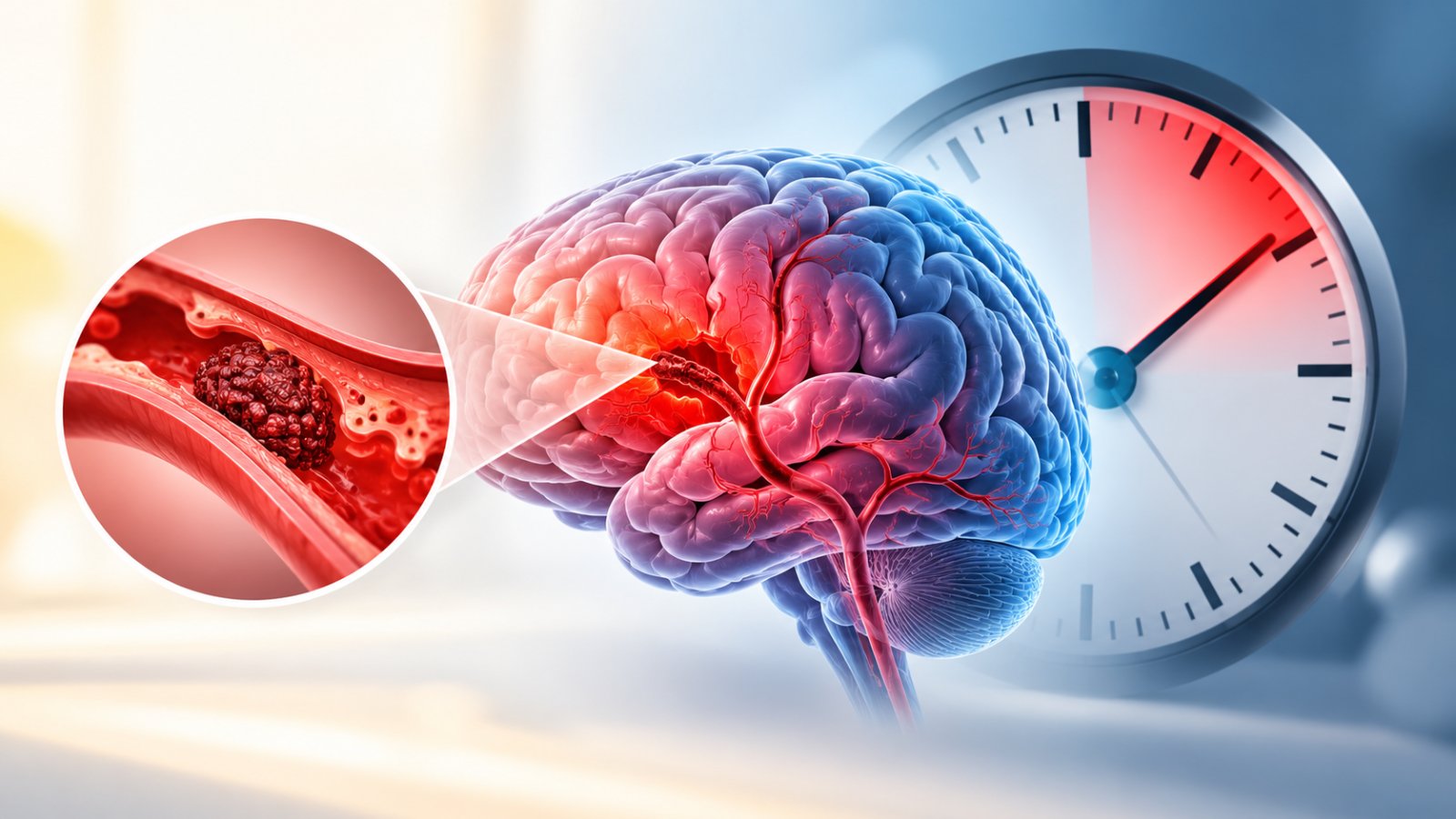
A stroke happens when blood flow to part of the brain stops. Without blood, brain cells start to die within minutes. Because of this, a stroke is a medical emergency. Quick action can help save brain function and even a person’s life. The term stroke warning signs means the early clues that a stroke may be happening. Recognizing these signs fast is critical for the best outcome.
Common Stroke Warning Signs
Knowing the early signs of stroke helps you act quickly. The most common stroke symptoms in adults include:
For example, you might notice a person’s smile looks uneven, or their speech sounds slurred. Sometimes, they may not be able to lift both arms evenly. These are all early signs of stroke. The CDC and WHO both highlight these symptoms as key warning signs.
Why the First Few Hours Matter
Time is critical during a stroke. Every minute, brain cells die if blood flow is blocked. Because of this, doctors say, “Time is brain.” Treatments work best when started within the first few hours. For instance, some medicines can break up clots but only if given soon after symptoms start. Quick stroke care in your city or region can lower the risk of long-term damage. Acting fast can help a person recover better and may even save their life.
Causes and Risk Factors
Strokes can happen for different reasons. Most often, a blood clot blocks a blood vessel in the brain. Sometimes, a blood vessel bursts and causes bleeding. Several risk factors raise your chance of having a stroke. These include:
However, some strokes happen in younger adults too. Knowing your risks can help you make healthy choices.
How Stroke Is Diagnosed
Doctors use several tests to find out if a stroke has happened. First, they check your symptoms and medical history. Next, they may order brain scans, such as a CT or MRI. These images show if there is a blockage or bleeding. Blood tests and heart tests may also help find the cause. Fast diagnosis is key to starting the right treatment. Hospitals in your area can provide these tests quickly if you arrive soon after symptoms begin.
Immediate Steps to Take if You Notice Warning Signs
If you see stroke warning signs in yourself or someone else, act fast. Here’s what to do during a stroke:
Because early treatment can save lives, always seek help right away.
Prevention Tips and Lifestyle Guidance
There are steps you can take to lower your risk of stroke. Healthy habits make a big difference. For example:
By following these tips, you can help prevent stroke and protect your brain health. The CDC and WHO both recommend these steps for everyone, no matter your age.
Conclusion
If you or someone you know shows stroke warning signs, call emergency services at Sun Hospitals immediately. Quick care can make a big difference in recovery and survival.