

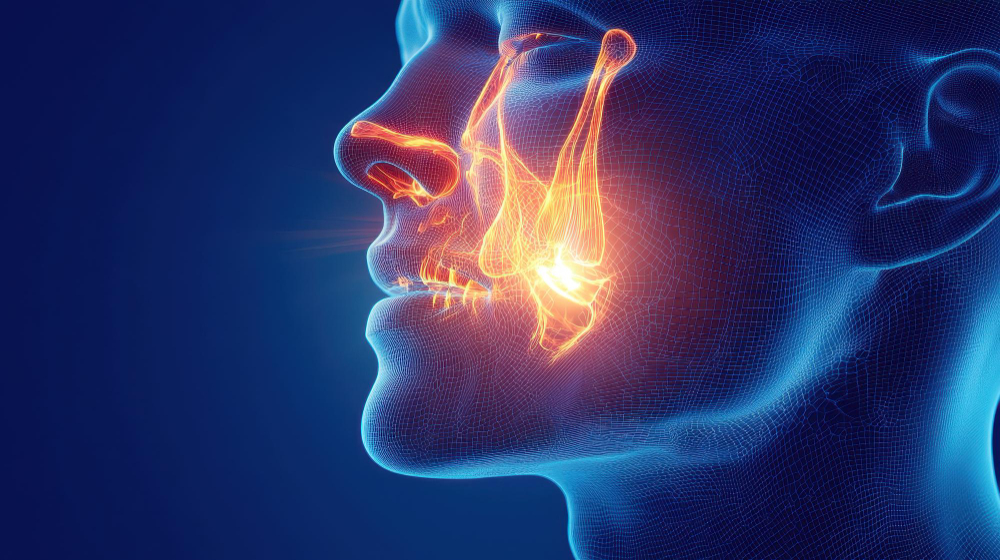
What Is Trigeminal Neuralgia?
Trigeminal neuralgia is a nerve condition that causes sudden, severe face pain. Often, this pain feels like an electric shock. The pain comes from the trigeminal nerve, which carries feelings from your face to your brain. Because of this, trigeminal neuralgia face pain can be very distressing. The pain may last for a few seconds or minutes. Sometimes, it happens many times a day. According to the World Health Organization (WHO), this condition is rare but can affect anyone, especially older adults.
Common Symptoms of Trigeminal Neuralgia
Trigeminal neuralgia often causes sharp, stabbing pain on one side of the face. For many, the pain feels like an electric shock. It usually affects the cheek, jaw, or around the eye. Sometimes, even light touch or simple actions can trigger the pain. For example, brushing your teeth, eating, or even a breeze on your face may set it off. Other symptoms include:
Because the pain is so severe, it can affect daily life. Many people feel anxious about when the next attack will happen.
Causes and Risk Factors
Trigeminal neuralgia happens when the trigeminal nerve is irritated or damaged. Most often, a blood vessel presses on the nerve near the brain. This pressure can wear away the nerve’s protective covering. As a result, the nerve sends pain signals even when it should not. Other possible causes include:
Some risk factors make trigeminal neuralgia more likely. For instance, it is more common in people over 50. Women are also affected more often than men. In addition, certain health conditions, like multiple sclerosis, can increase the risk.
How Is Trigeminal Neuralgia Diagnosed?
Doctors diagnose trigeminal neuralgia by asking about your symptoms and medical history. They will want to know about the type, location, and triggers of your face pain. Next, a physical and nerve exam helps rule out other causes. Sometimes, doctors use tests to confirm the diagnosis. These may include:
Because trigeminal neuralgia face pain can look like other problems, a careful diagnosis is important. According to the National Institutes of Health (NIH), early diagnosis can help you get the right treatment sooner.
Treatment Options for Trigeminal Neuralgia
There are several ways to treat trigeminal neuralgia. The goal is to reduce pain and improve quality of life. Treatment depends on how severe your symptoms are. Common options include:
Medications
Procedures and Surgery
For some, these procedures give long-term relief. However, each treatment has risks and benefits. Your doctor will help you choose the best option.
Prevention and Self-Care Tips
While you cannot always prevent trigeminal neuralgia, you can take steps to manage it. For example, keeping a pain diary helps track triggers and patterns. In addition, these tips may help:
Because trigeminal neuralgia can affect your mood, talking to a counselor or support group may also help.
When to See a Doctor
If you have sudden, severe face pain that feels like an electric shock, see a doctor. Early diagnosis and treatment can make a big difference. For more information, you can visit trusted sources like the World Health Organization (WHO) or the National Institutes of Health (NIH).
Consult Dr Nihar Ranjan Biswal at Sun Hospital for personalized advice on trigeminal neuralgia.